

Understanding Diisocyanates and How to Stay Safe When Using 2-Part Adhesives
If you work with polyurethane or 2-part adhesives, like Altro’s AltroFix W139, you’ve probably come across the term diisocyanates. These chemicals play an important role in creating the strong, durable bonds that make polyurethane adhesives so effective when applying hygienic wall cladding. But whilst they’re essential to the formulation, there are some health risks associated with diisocyanates. In this blog post, we explain how to handle them safely.
What Are Diisocyanates?
Diisocyanates are highly reactive chemicals used to produce polyurethane products such as adhesives, foams, and coatings. Their reactivity is what makes them so effective, but it also means they can be hazardous to health if not managed properly.
Potential Health Risks
Exposure to diisocyanates can cause skin or respiratory sensitisation, meaning that once a person becomes sensitised, even very low levels of exposure can trigger severe allergic reactions.
Common symptoms of exposure include:
- Coughing, wheezing, and shortness of breath
- Asthma attacks (sometimes severe)
- Dermatitis and skin irritation
- Eye and mucous membrane irritation
Prolonged or repeated exposure can lead to chronic respiratory problems and, in some cases, permanent lung function impairment. Some types of diisocyanates have also been classified by the International Agency for Research on Cancer (IARC) as potentially carcinogenic, although further research is ongoing to better understand these risks.
At very high levels, exposure can even cause systemic toxicity and, in extreme cases, pulmonary edema, a serious and potentially fatal condition.
How to Work Safely with Diisocyanates
This all sounds a bit scary doesn’t it? However, the good news is that there are well-established ways to protect yourself and those around you when using these products..
Take the mandatory safety training
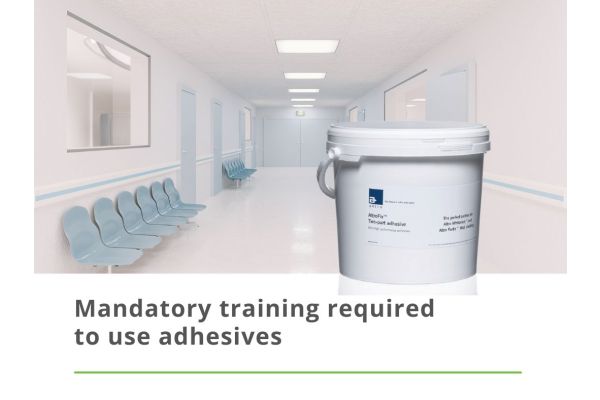
The ISOPA/ALIPA Safe Use of Diisocyanates Course 049 is specifically designed to educate users on how to handle these materials safely. The course is available online at www.safeusediisocyanates.eu and covers everything from basic handling principles to advanced risk mitigation. If you’re using these products in a professional capacity this course is now mandatory.
Use the right Personal Protective Equipment (PPE)
Always wear suitable protection when working with 2-part adhesives containing diisocyanates:
- FFP3 face mask or respirator to prevent inhalation of airborne particles
- Protective gloves to avoid skin contact
- Eye protection and long-sleeved clothing
Ensure good ventilation
When mixing adhesives, the hardener component is typically where the risk lies. As it’s poured or mixed, chemicals can become airborne, increasing the likelihood of respiratory exposure. To minimise the risk, ensure there’s adequate ventilation or local extraction in the room you’re working in.
Stay informed and vigilant
As mentioned in point 1, regulations around the use of diisocyanates are now in place across Europe to improve workplace safety. Make sure your team is trained, compliant, and aware of the correct procedures when handling these substances.
Final Thoughts
Diisocyanates are an indispensable part of modern adhesive technology, but they must be handled with respect and care. By following best practices, using the right PPE, and completing certified training (where necessary), you can continue to benefit from the performance of polyurethane adhesives whilst keeping yourself and those around you safe.
If you have any further concerns around the use of 2-part adhesives, our team will be happy to help.
For a full overview on using 2-part adhesives, watch our video: