

Hygienic Wall Cladding vs. Tiles: Why cladding is the smarter choice
When designing or renovating a space, the choice of wall coverings plays a crucial role in determining its functionality, durability, and cleanliness. Traditional tiles have been a popular choice for decades for both domestic and commercial projects. However, tiles come with drawbacks and now, hygienic wall cladding has emerged as a modern, efficient alternative that outshines in several key areas. In this blog post, we explore some of the key advantages of hygienic wall cladding and explain why it is the smarter option for your space.
1. Installation: faster
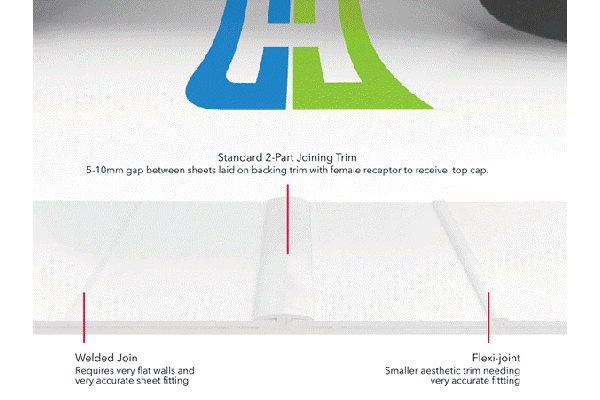
One of the first areas where hygienic wall cladding excels is in installation. The large, seamless panels cover substantial areas, reducing labour time and costs. For example, a sheet of Altro Whiterock can come as large as 1.22m (W) by 3.05m (H). When comparing the m2 covered by a single sheet, as opposed to the amount of tiles that would be required to cover the same area, the surface area covered in the same amount of time is significantly greater with cladding . Unlike tiles, which require careful grouting, cladding - which is installed with either a trim or welded finish - eliminates the need for grout altogether, making the process far less tedious and time-consuming. This doesn’t, however, mean that the appropriate expertise and preparation are not required for the correct installation of hygienic wall cladding. The most efficient installs take place when the walls are correctly prepped and the installer is experienced in the application of the panels.
For businesses operating in environments like healthcare or food production, where downtime must be minimised, the quick installation of wall cladding can be a game-changer.
2. Hygience and maintenace: a seamless advantage
Hygiene is where wall cladding truly stands out. Its seamless, non-porous surface leaves no room for dirt, bacteria, or mould to accumulate. Cleaning is made easy - a simple wipe with a cloth and warm water and a diluted soap/detergent solution keeps the surface spotless and sanitary.
In contrast, tiled walls are full of grout lines that can act as breeding grounds for bacteria and mould. Regular scrubbing, re-grouting, and sealing are often required to maintain tiles, making them far more labour-intensive and costly in the long run. For industries with strict hygiene standards, such as healthcare, food production, or pharmaceuticals, hygienic wall cladding provides peace of mind. In fact, tiles may now fail to comply with today’s hygiene regulations in some industries.
3. Durability: built to last
Hygienic wall cladding is engineered to withstand the demands of areas that receive high volumes of traffic and usage, which makes it the perfect solution for many settings including hospitals, schools and commercial kitchens, to name but a few. The material is impact-resistant, scratch-proof, and impervious to moisture, ensuring it stays in excellent condition for years. Again, taking Altro's Whiterock sheet as an example - the life expectancy is 25 years! This durability means fewer repairs and replacements are required over time, making it a cost effective choice.
Tiles, on the other hand, are prone to cracking, chipping, and grout erosion. Damaged tiles not only compromise the appearance and hygiene of the wall but also create additional maintenance challenges, as they must be replaced individually.

4. Aesthetic appeal: modern and versatile
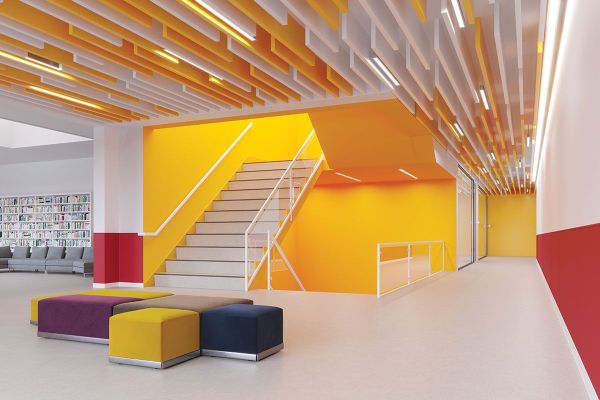
When you think of hygienic wall cladding, maybe the words plain and boring spring to mind. Think again! Gone are the days when functionality meant sacrificing style. Yes, sometimes pure white may be the perfect choice. But it doesn’t need to be the case if you’re looking for something more. Hygienic wall cladding offers a sleek, modern look with a variety of colours, textures, and finishes to match your design needs. Take Altro Whiterock Satins range, versatility and sophistication available in a range of solid, decorative, satin shades – from soothing and healing through to bright and energetic. Colours are created with purpose in mind to provide beautiful cladding options even when designing hygienic areas with critical LRV and tonal qualities. Altro Wall Designs provides elegance and durability in natural wood, metal, stone and linen designs on an Altro Whiterock wall sheet, creating a design focal point. This is ideal in public areas and/or bathrooms where you need to impress, without compromising on durability. And if it is the tile effect you’re looking for, there is Altro Tegulis, the tile effect wall panels which create a realistic tiled look without any of the drawbacks of tiles.
The choices are huge and whether you’re outfitting a clinical laboratory or a contemporary office space, cladding provides a polished, professional appearance.
Tiles, while traditional, often have limitations in terms of design flexibility. There are definitely some beautifully designed patterns available, but often they can be dictated by the size and shape of the tiles, and grout lines can disrupt the uniformity of the aesthetic. Not to mention the pattern can go awry when the workmanship is not up to scratch. And even if the tiles are applied well, an added drawback is that they can shift out of place as a wall warps, which can ruin the pattern.
5. Water resistance: no weak spots
When you think of hygienic wall cladding, maybe the words plain and boring spring to mind. Think again! Gone are the days when functionality meant sacrificing style. Yes, sometimes pure white may be the perfect choice. But it doesn’t need to be the case if you’re looking for something more. Hygienic wall cladding offers a sleek, modern look with a variety of colours, textures, and finishes to match your design needs. Take Altro Whiterock Satins range, versatility and sophistication available in a range of solid, decorative, satin shades – from soothing and healing through to bright and energetic. Colours are created with purpose in mind to provide beautiful cladding options even when designing hygienic areas with critical LRV and tonal qualities. Altro Wall Designs provides elegance and durability in natural wood, metal, stone and linen designs on an Altro Whiterock wall sheet, creating a design focal point. This is ideal in public areas and/or bathrooms where you need to impress, without compromising on durability. And if it is the tile effect you’re looking for, there is Altro Tegulis, the tile effect wall panels which create a realistic tiled look without any of the drawbacks of tiles.
The choices are huge and whether you’re outfitting a clinical laboratory or a contemporary office space, cladding provides a polished, professional appearance.
Tiles, while traditional, often have limitations in terms of design flexibility. There are definitely some beautifully designed patterns available, but often they can be dictated by the size and shape of the tiles, and grout lines can disrupt the uniformity of the aesthetic. Not to mention the pattern can go awry when the workmanship is not up to scratch. And even if the tiles are applied well, an added drawback is that they can shift out of place as a wall warps, which can ruin the pattern.
6. Cost-effectiveness: savings over time
While the initial cost of hygienic wall cladding may be comparable to or slightly higher than tiles, its long-term cost savings are undeniable. The reduced installation time, lower maintenance requirements, and exceptional durability make cladding a more economical choice in the long run.
Tiles, though potentially (but not necessarily) cheaper upfront, incur higher costs over time due to frequent maintenance, repairs, and cleaning.
7. Compliance with Health and Safety standards
In regulated industries such as healthcare, food processing, and pharmaceuticals, meeting stringent hygiene standards is non-negotiable. Hygienic wall cladding meets strict industry regulations and guidelines for infection control, such as those set by healthcare and food safety authorities. In particular, Altro’s hygienic wall cladding was tested by the Food Hygiene Department of Campden & Chorleywood Food research Association Technology Ltd. (CCFRA), which proved that it's compliant with the European Directive on the Hygiene of Foodstuffs. Altro hygienic wall cladding is also Hazard Analysis Critical Control Point (HACCP) approved, and is safe for food and medical environments, providing the hygiene and protection needed.
Tiles may not always meet modern hygiene regulations due to their porous grout lines and susceptibility to microbial growth, making them a less reliable choice in critical environments where maintaining the highest level of hygiene is a must.
Conclusion
When comparing hygienic wall cladding to tiles, it’s clear that cladding offers superior benefits in terms of hygiene, durability, installation, and cost-effectiveness. Whether you’re upgrading a commercial kitchen, hospital, or cleanroom, hygienic wall cladding provides a modern, efficient, and aesthetically pleasing solution that meets the demands of today’s environments.
Make the switch to hygienic wall cladding and experience the difference for yourself. Not only will it save you time and money, but it will also provide a cleaner, safer, and more sustainable solution for your space. Get in touch with our team today to explore your options.