
Why to use hygienic wall cladding in the food manufacturing industry
Hygienic wall cladding is becoming the product of choice for food manufacturers who are required to maintain optimum hygiene levels within their facilities. The panels provide a seamless, easy-to-clean surface that helps prevent the growth of bacteria and mould. Their durability and low maintenance make them an excellent choice for high-traffic areas where hygiene is a top priority. It is also considered the most environmentally friendly, not to mention cost effective, choice with around a 30-year life expectancy.
In addition to these qualities, industry leader Altro’s hygienic wall cladding is Hazard Analysis Critical Control Point (HACCP) approved, and is and is safe for environments which handle food, providing the hygiene and protection needed to meet today’s stringent industry standards.
Here we look at examples of different types of food manufacturing facilities where hygienic wall cladding is used effectively:
Meat and poultry processing plants
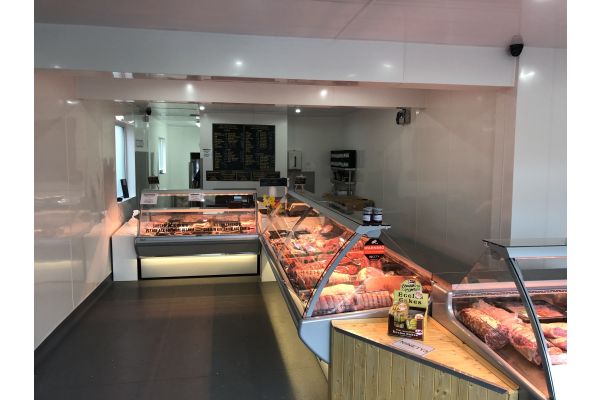
Environments which handle raw animal products can carry harmful bacteria like Salmonella or E. coli. To prevent germs like this, it’s critical to ensure all surfaces are easy to clean and resistant to bacterial growth. Hygienic wall cladding can be installed in processing rooms, cutting areas, and storage spaces to create seamless, non-porous surfaces that prevent contamination and support rigorous cleaning protocols. Hycom has extensive experience working in these types of environments. Take a read of the project we completed for Stones Family Butchers as an example.
Bakery and confectionery manufacturing
Flour, dust and sugar particles can create a breeding ground for pests and mould, requiring surfaces that are easy to clean and resistant to build-up. Mixing rooms, ovens, and packaging areas benefit from the smooth and wipeable walls of hygienic wall cladding to prevent stains and food residue. Celtic Bakers is one of the many projects where we have achieved this in these types of settings. Take a look here
Beverage production plants
In facilities that produce drinks you are most likely to find liquid spills! You’ll also find high levels of humidity and strict quality control standards. In breweries and distilleries, the production of alcoholic beverages often involves exposure to moisture, yeast, and other organic materials that can lead to contamination.
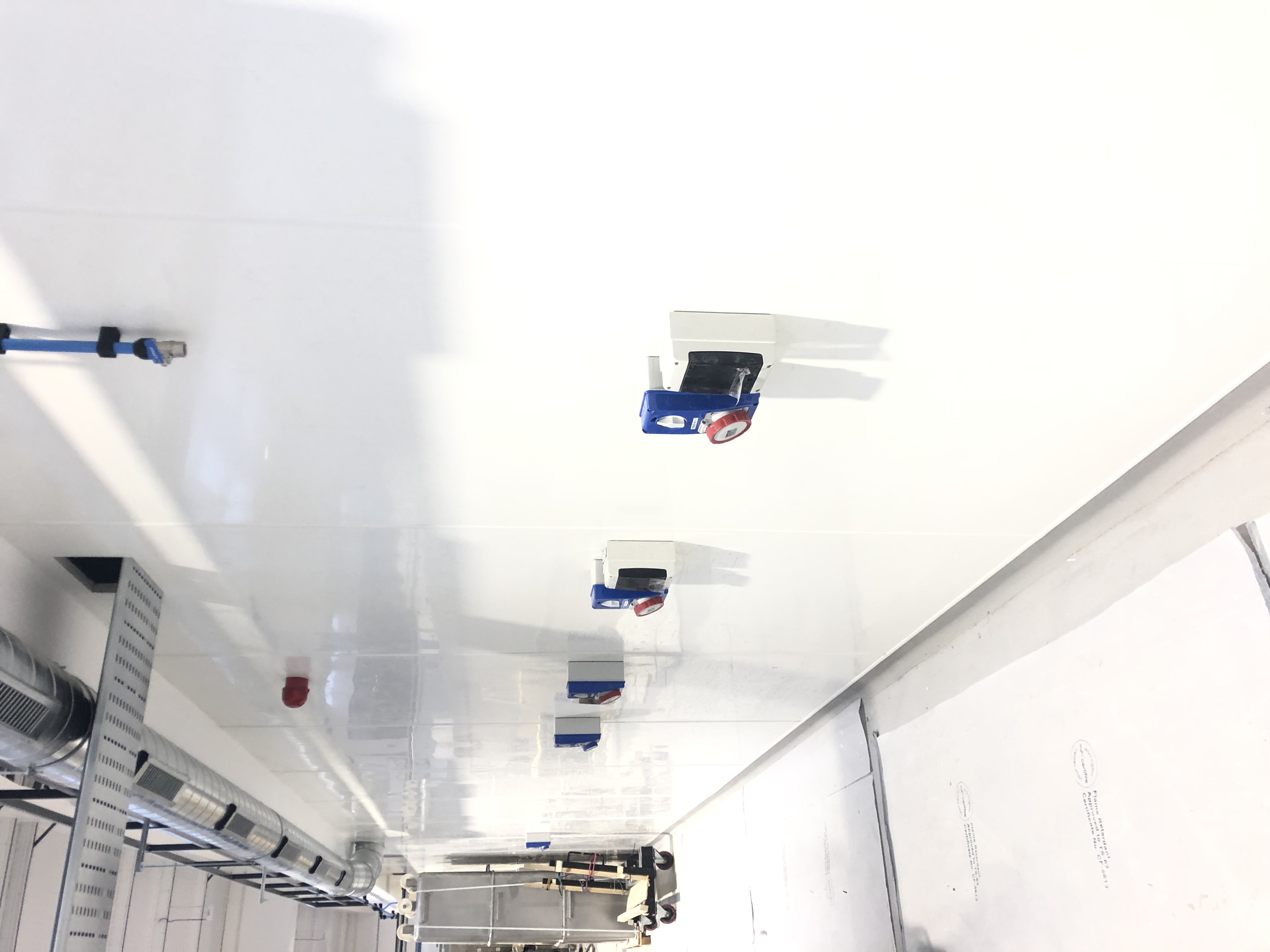
Hygienic wall cladding is designed to be smooth and free of cracks. It’s a fully sealed, watertight system so that bacteria, mould, and viruses can’t sneak in. Its non-porous nature prevents moisture and contaminants from penetrating the surface. It can therefore be installed in bottling and canning areas, filtration rooms, and storage zones to provide a moisture-resistant and hygienic surface.
Dairy production facilities
Dairy products are highly perishable and prone to contamination if hygiene standards are not strictly maintained. Hygienic wall cladding can often be found in pasteurisation rooms, milk bottling lines, and cheese aging areas to maintain sterile conditions and prevent mould or bacteria buildup in high-humidity zones.
Seafood processing units
The processing of seafood involving raw fish and shellfish can release strong odours and fluids. If this isn’t managed properly, they can promote bacterial growth. Hygienic wall cladding is the ideal choice for preparation, cleaning, and freezing areas to create an odour-resistant and easy-to-sanitise environment. You can literally wipe away those smells!
Frozen food and chilled facilities
Low-temperature environments need surfaces that are durable and resistant to cracking or warping caused by freezing conditions. Cladding can be installed in blast chillers, freezers, and cold storage areas to provide a seamless and resilient barrier against extreme temperatures. Note that the minimum temperature that Altro Whiterock can withstand is -20 degrees.
Ready-to-eat food manufacturing
Pre-packaged meals require high hygiene standards to avoid contamination during the production and packaging processes. You’ll find hygienic wall cladding in assembly lines, packaging rooms, and cooking areas to ensure compliance with food safety regulations and reduce risks of cross-contamination.
Snack and cereal production
These environments generate dust and residues that can accumulate on walls and ceilings if not properly managed. Hygienic wall cladding offers a better alternative to traditional wall coverings, like tiles, where residue can easily find itself nestled into grout and cracks. It can be installed in production lines, seasoning rooms, and packaging zones to provide easy-to-clean surfaces that prevent build-up.
Food packaging facilities
Packaging plays a critical role in preserving food safety, and the environment it’s produced in must remain sterile to prevent contamination of the packaging materials. Hygienic wall cladding is therefore used extensively in packaging areas to provide a smooth, cleanable surface that maintains hygiene and supports quality control.
These are just some examples of how hygienic wall cladding helps maintain optimum hygiene levels in food manufacturing sites. To find out more about the products available, visit our online store or get in touch and we’ll be happy to talk things through.