

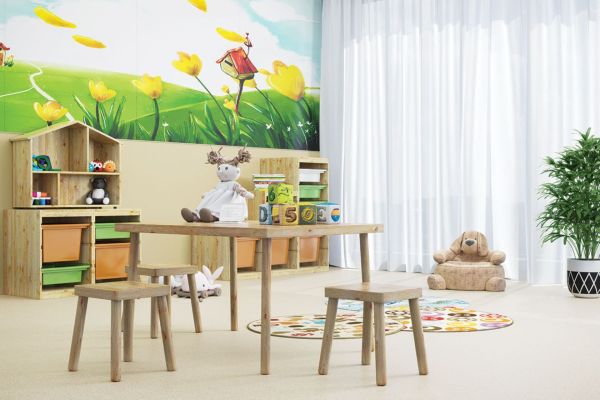
Using Biophilic Design in Hygienic Spaces
Despite it being the case for years, hygienic interiors don’t need to feel sterile or institutional. By using biophilic design principles like nature-inspired colours, textures and imagery, designers can create spaces that support wellbeing whilst maintaining strict hygiene standards.
Modern wall cladding solutions like Altro’s Wall Designs, DigiClad and Satins ranges make it possible to introduce natural finishes and visuals without compromising cleanability, durability or infection control.
What Is Biophilic Design?
Biophilic design connects people with nature through colour, materials, light and imagery.
The term “biophilia” refers to the human instinct to connect with the natural world. In interior design, this means creating spaces that echo natural environments through elements such as:
- Natural colour palettes
- Organic textures and patterns
- Visual imagery of landscapes or plant life
- Light, space and natural materials
Research shows that environments inspired by nature can help reduce stress, improve mood and support wellbeing.
We can all relate to feeling better with a bit of fresh air and some time spent outdoors. So how about bringing the outdoors inside? This is what biophilic design is all about and why it’s becoming increasingly common in healthcare, education and workplace design.
However, the challenge in hygienic environments is balancing this with the need for durable, non-porous and easy-to-clean surfaces.
Why Biophilic Design Matters in Hygienic Environments
Spaces designed for hygiene should also support the wellbeing of the people who use them - that includes patients, residents, staff, visitors and so on.
Hospitals, laboratories, commercial kitchens and food production facilities are often designed around functionality and infection control. Obviously these priorities will always remain top of the list, but designers are now recognising the importance of creating environments that are also comfortable and reassuring.
Biophilic design can help:
- Reduce anxiety in healthcare settings
- Improve patient and visitor experience
- Support staff wellbeing and productivity
- Create more welcoming public spaces
By introducing nature-inspired elements into hygienic environments, it is possible to move away from purely clinical aesthetics without compromising hygiene performance.
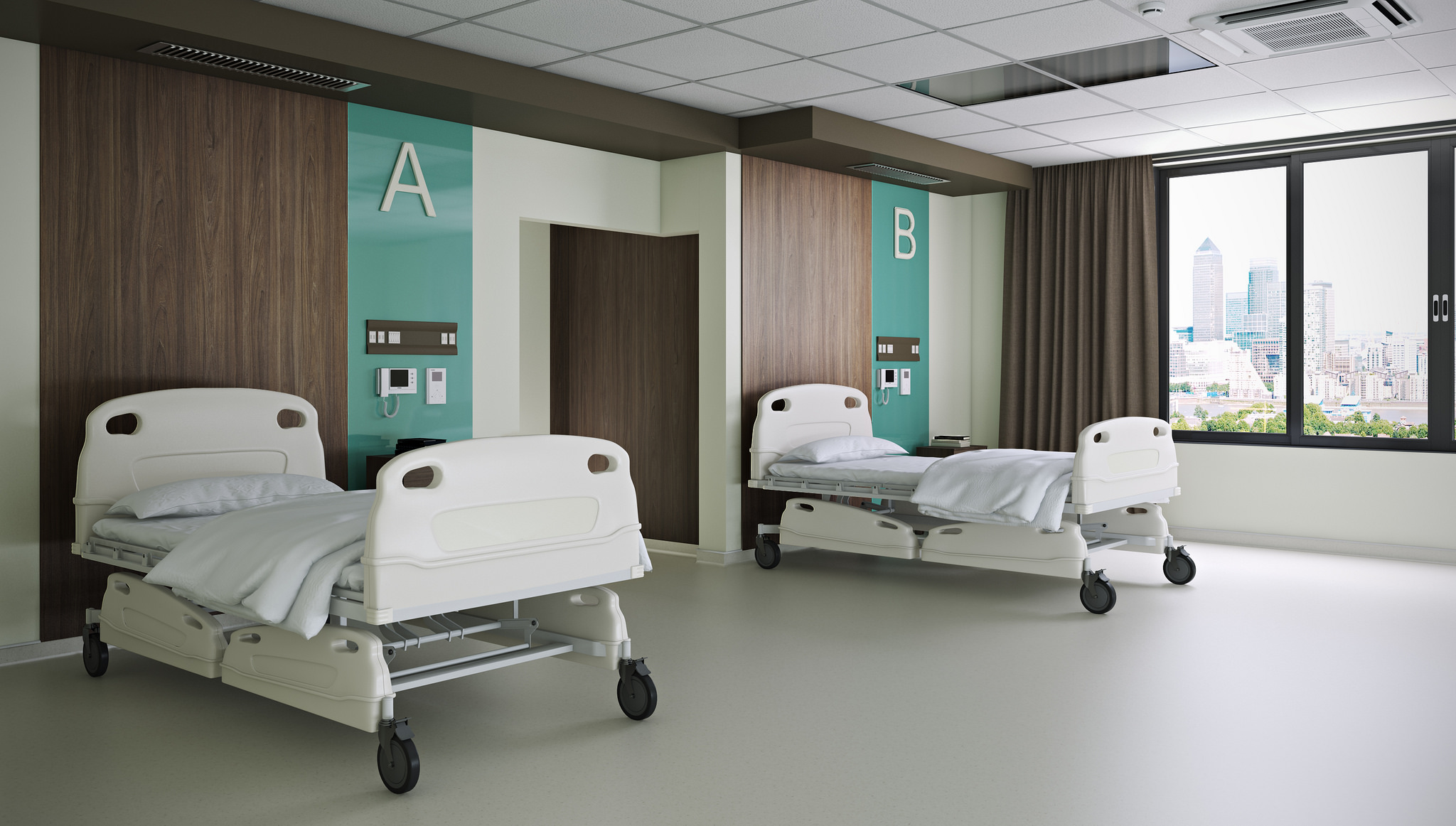
Nature-Inspired Colours Create Calmer Interiors
Natural colour palettes help create calmer, more human-centred hygienic spaces.
You’ve heard us say many times how colour plays a powerful role in the way people experience an environment. Traditional hygienic interiors often relied heavily on bright whites and cool greys, which can sometimes feel harsh or clinical.
Biophilic design introduces colours inspired by the natural world, such as:
- Soft greens reflecting plants and foliage
- Calm blues inspired by water and sky
- Warm earthy tones including sand, clay and stone
These palettes can make spaces feel more welcoming and comfortable, particularly in environments such as healthcare facilities, care homes and education settings. Altro recently refreshed their Whiterock Satins collection to allow designers to use colour to subtly create a mood. The palette consists of solid, decorative, satin shades which create soothing and healing environments.
Natural Finishes Without the Maintenance Issues
Natural materials can create warmth and texture, but they are not always suitable for high-hygiene environments. They can be porous, require more maintenance, and less durable. On the other hand, hygienic wall cladding can replicate natural materials without the hygiene risks of wood or stone.
Wall cladding systems such as Altro Wall Designs allow designers to achieve wood, stone or textile-inspired finishes whilst maintaining the performance and functionality required in demanding environments.
It is possible to enjoy the visual benefits of natural materials, yet the surfaces remain:
- Non-porous
- Impact resistant
- Easy to clean
- Durable in high-traffic areas
Using Nature-Inspired Feature Walls
Imagery of nature can transform functional spaces into calming environments.
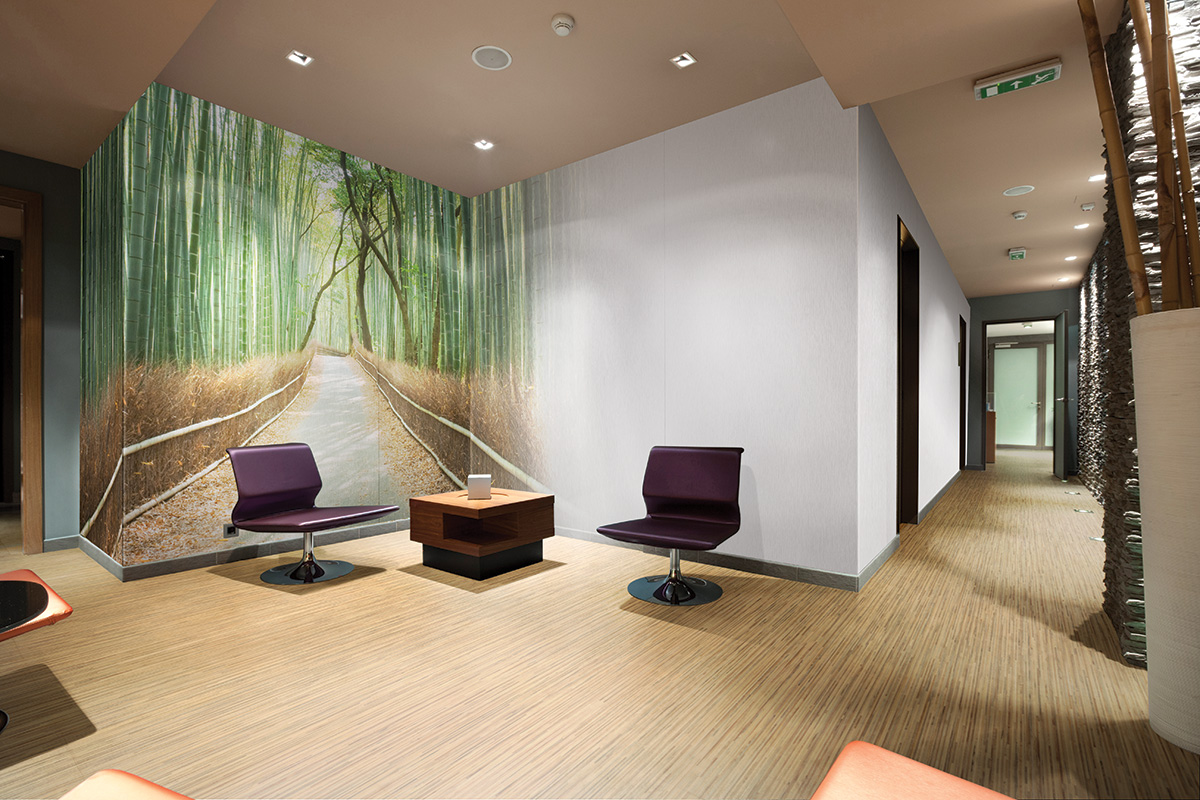
One of the most effective ways to introduce biophilic design into hygienic environments is through feature walls incorporating natural imagery, such as beaches, forests, meadows and skies.
Digital wall graphics, such as those available through Altro DigiClad, allow designers to introduce bespoke designs whilst maintaining hygienic performance.
Examples include:
- Forest or landscape imagery in hospital corridors
- Nature scenes in patient rooms
- Abstract organic patterns in waiting areas
- Calming visuals in care home environments
These visual elements can significantly improve the feel of a space, and they’re also easy to clean and maintain.
Hygiene and Wellbeing Can Work Together
The best hygienic environments balance infection control with human-centred design.
The future of hygienic interior design lies in spaces that are both high-performance and highly considered. Materials must continue to meet strict standards for hygiene, durability and cleanability, However, they can also contribute to environments that feel calm, welcoming and connected to nature.
By combining thoughtful design with innovative materials from manufacturers like Altro, it is possible to create interiors that support both infection control and wellbeing.
Because ultimately, hygienic spaces should not only protect people, they should help them feel comfortable within them.
You’ll find some of the ranges mentioned in our web shop, and if you’re looking for further inforamation or advice our team will be happy to help. Get in touch!


