

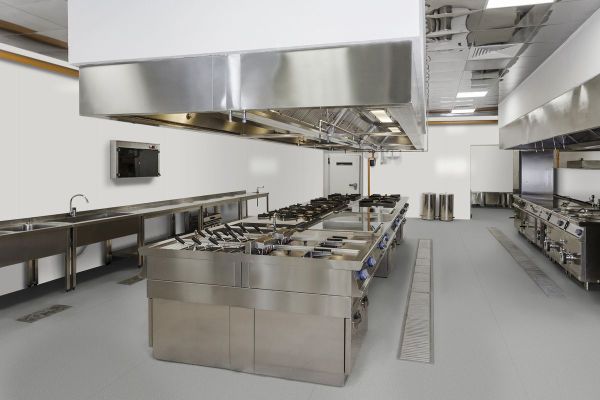
Stainless Steel or Hygienic Wall Cladding: Which is right for your project?
When designing hygienic environments like commercial kitchens and healthcare settings, the materials you choose need to withstand daily cleaning, impact, moisture, and in some cases, high temperatures.
Two of the most common options are stainless steel and hygienic wall cladding.
But which one is right for your project?
This guide breaks down the key similarities and differences to help you make the right choice.
At a Glance: The Key Difference
- PVC hygienic wall cladding is often a more cost-effective, versatile solution suitable for both general and high-hygiene environments.
- Grade 304 stainless steel is a premium, heavy-duty option designed for high-impact, high-heat, and high-risk areas.
1. Hygiene and Cleanability
Both materials are designed primarily with hygiene in mind, but there are differences between the two.
Hygienic Wall Cladding:
- Smooth, non-porous surface, highly resistant to bacteria
- Easy to wipe clean
- Ideal for general hygiene compliance and environments with strict hygiene standards
Stainless Steel:
- Smooth, non-porous surface, highly resistant to bacteria
- Withstands aggressive cleaning regimes
- Commonly used in environments with the strictest hygiene standards
Verdict: Both perform well, but stainless steel is often preferred in higher-risk or regulated environments.
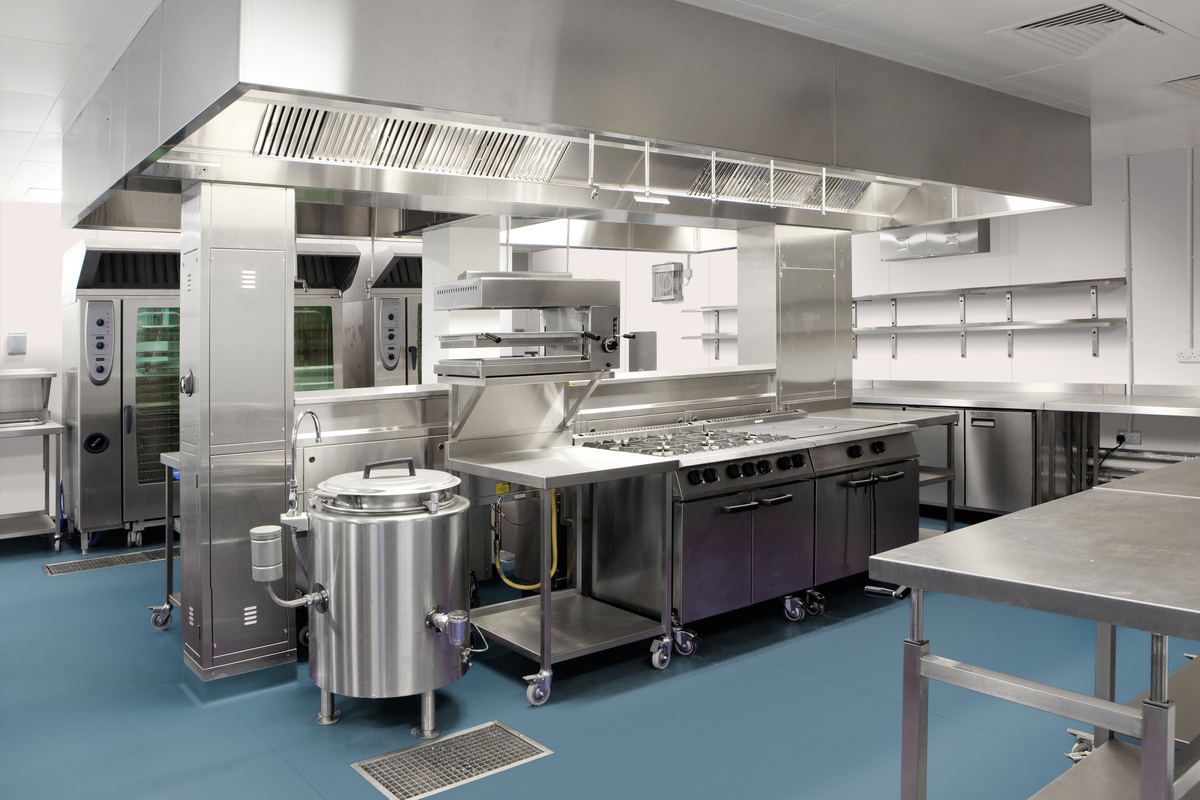
2. Durability and Impact Resistance
This is where the differences become more noticeable.
Hygienic Wall Cladding:
- Durable for everyday use
- Can be damaged by excessively heavy impacts and forces, or sharp equipment
Stainless Steel:
- Extremely robust and impact resistant
- Handles trolleys, machinery, and constant wear without damage
Verdict: Stainless steel performs better in extremely high-traffic or heavy-use areas.
3. Heat Resistance
A major deciding factor in kitchens and food prep areas.
Hygienic Wall Cladding:
- Not suitable for high-heat zones above 60 degrees celcius
- Can warp or degrade near cookers
Stainless Steel:
- Excellent heat resistance
- Ideal behind ovens, hobs, and cooking equipment
Verdict: Stainless steel is the ideal solution for high-temperature environments like commercial kitchens.
4. Cost vs Long-Term Value
Budget always plays a role, but it’s important to look beyond upfront cost.
Hygienic Wall Cladding:
- Wide variety of product ranges from budget through to premium
- Great for large wall areas
- Long life span of up to 25 years
Stainless Steel:
- Higher upfront investment
- Longer lifespan (50 years or more) with minimal maintenance
Verdict:
PVC hygienic wall cladding = often more cost-effective for general coverage. Stainless steel = better long-term value in demanding areas.
5. Aesthetic and Finish
Appearance can influence perception, especially in customer-facing spaces. However, with so many hygienic wall cladding ranges available on the market, there is far more choice than ever before to create the style you desire.
Hygienic Wall Cladding:
- Available in a wide range of colours and finishes including gloss, satin, tile- and stone- and wood-effect
- Can align with branding or interior design
Stainless Steel:
- Sleek, professional, high-end look
- Associated with cleanliness and quality
Verdict: It depends on your design goals and the space, but stainless steel offers a premium, commercial-grade aesthetic, especially in areas like commercial kitchens
6. Installation and Practical Use
Choosing the right material is only part of the process. Installation matters too. In many cases, the most effective, and usually aesthetically pleasing, approach is to:
- Use hygienic wall cladding for general wall areas
- Install stainless steel in high-impact or high-heat zones
For example:
- Behind cookers
- Around sinks and wash areas
- In service corridors or loading zones
This approach balances performance and cost.
So, which should you choose?
There’s no one-size-fits-all answer. Choose PVC hygienic wall cladding for more cost-effective, compliant wall coverage. Choose stainless steel where durability, heat resistance, and long-term performance are critical. Or, for many projects, use both types of material strategically to get the best of both worlds: stainless steel behind high heat zones and PVC hygienic wall cladding elsewhere. This approach will provide a solution which is fully functional, aesthetically pleasing (the contrast between the two looks stunning!) and will help bring down costs too.
Looking for advice on your project?
Every environment is different and choosing the right solution can make a big difference in both performance and lifespan.
At Hycom we supply and install both PVC hygienic wall cladding (muliple ranges available) and stainless steel and can help you select the right materials for each area of your space.
Get in touch to discuss your project or arrange a site visit.
Frequently Asked Questions
What is the difference between stainless steel and PVC hygienic wall cladding?
Stainless steel wall cladding is a heavy-duty, premium solution designed for high-impact and high-heat environments. PVC hygienic wall cladding is often (but not always) cost-effective option ideal for general wall coverage in areas that require easy cleaning and hygiene compliance.
Is stainless steel better than PVC wall cladding?
It depends on the environment. Stainless steel is better for areas exposed to heat, heavy impact, or the strictest hygiene requirements. Hygienic wall cladding is more suitable for large wall areas where cost and versatility are key.
Where should stainless steel wall cladding be used?
Stainless steel is ideal for:
- Behind cookers and ovens
- Commercial kitchen prep areas
- Food production facilities
- Healthcare environments
- High-traffic or impact-prone zones
Is hygienic wall cladding suitable for commercial kitchens?
Yes, hygienic wall cladding is widely used in commercial kitchens. However, it should not be installed in high-heat areas such as directly behind cooking equipment, where stainless steel is a better option.
Is stainless steel wall cladding easy to clean?
Yes. Stainless steel is non-porous and highly resistant to bacteria, making it easy to clean and ideal for environments with strict hygiene standards. Never use bleach, chlorides or harsh abrasive pads as these cause permanent damage.
Does stainless steel wall cladding rust?
Stainless steel is highly resistant to corrosion and rust, making it suitable for most internal applications. However, proper cleaning and maintenance will help preserve its appearance over time.
Is stainless steel more expensive than hygienic wall cladding?
Yes, stainless steel typically has a higher upfront cost than many hygienic wall cladding ranges. However, it offers excellent durability and longevity, which can make it more cost-effective in the long term for demanding environments.
Can you use both stainless steel and hygienic wall cladding together?
Absolutely. In fact in many projects the best solution is to combine both materials, using hygienic wall cladding for general wall areas and stainless steel in higher-impact or high-heat zones.


