
Using Chroma to Enhance Hygienic Wall Cladding Projects
When people think about hygienic wall cladding, their priorities are usually cleanliness, durability and compliance. Colour is often viewed as a finishing touch rather than a design consideration. However, in healthcare and other hygiene-critical environments, colour can play a much more significant role.
We recently explored the impact of Light Reflectance Value (LRV) in hygienic design. Another concept that is increasingly influencing the design of modern interiors is Chroma.
Understanding Chroma
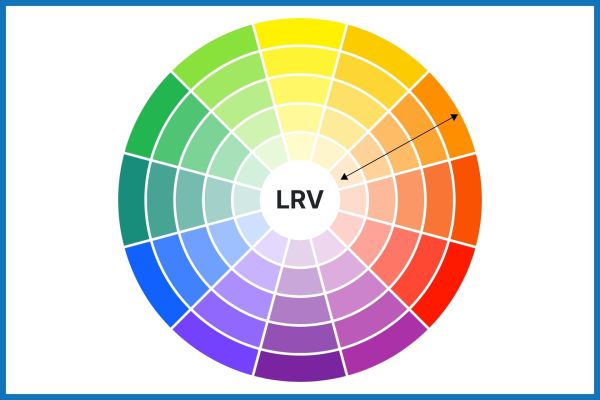
Chroma refers to the intensity or purity of a colour. A highly saturated colour has high chroma, appearing vibrant and vivid, whilst colours with lower chroma appear softer, more muted and subdued.
Think of the difference between a bright, energetic turquoise and a pale pastel blue. Both may belong to the same colour family, but their chroma levels create very different visual effects and emotional responses.
When designing hygienic environments, understanding chroma helps create spaces that are not only practical but also supportive of wellbeing, wayfinding and user experience.
Why Chroma Matters in Healthcare
For many years, healthcare environments have been dominated by plain white surfaces. These spaces may meet hygiene requirements, but they can often feel intimidating.
Research into healthcare design has shown that colour can influence mood, comfort and even perception of a space. By carefully selecting colours with different chroma levels, designers can create environments that support patients, visitors and everyone else who use them.
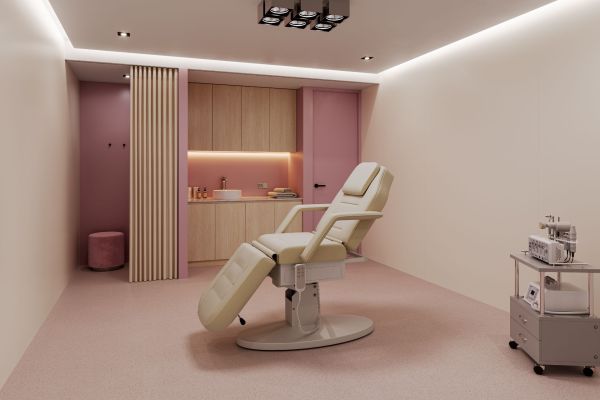
High-chroma colours can be used to introduce energy, positivity and visual interest. Lower-chroma colours can help create calm and reassuring environments.
This is particularly important in settings such as:
-
Hospitals
-
GP surgeries
-
Care homes
-
Mental health facilities
-
Children's wards
-
Rehabilitation centres
-
Dental practices
In these environments, colour becomes more than decoration and part of the overall user experience.
Chroma and Hygienic Wall Cladding
Today, hygienic wall cladding systems, like the ranges offered by market leader, Altro, are available in a wide array of colours. They allow designers to move beyond purely functional white interiors.
By incorporating different chroma levels into wall cladding schemes, it is possible to achieve several objectives at the same time:
Creating Welcoming Spaces
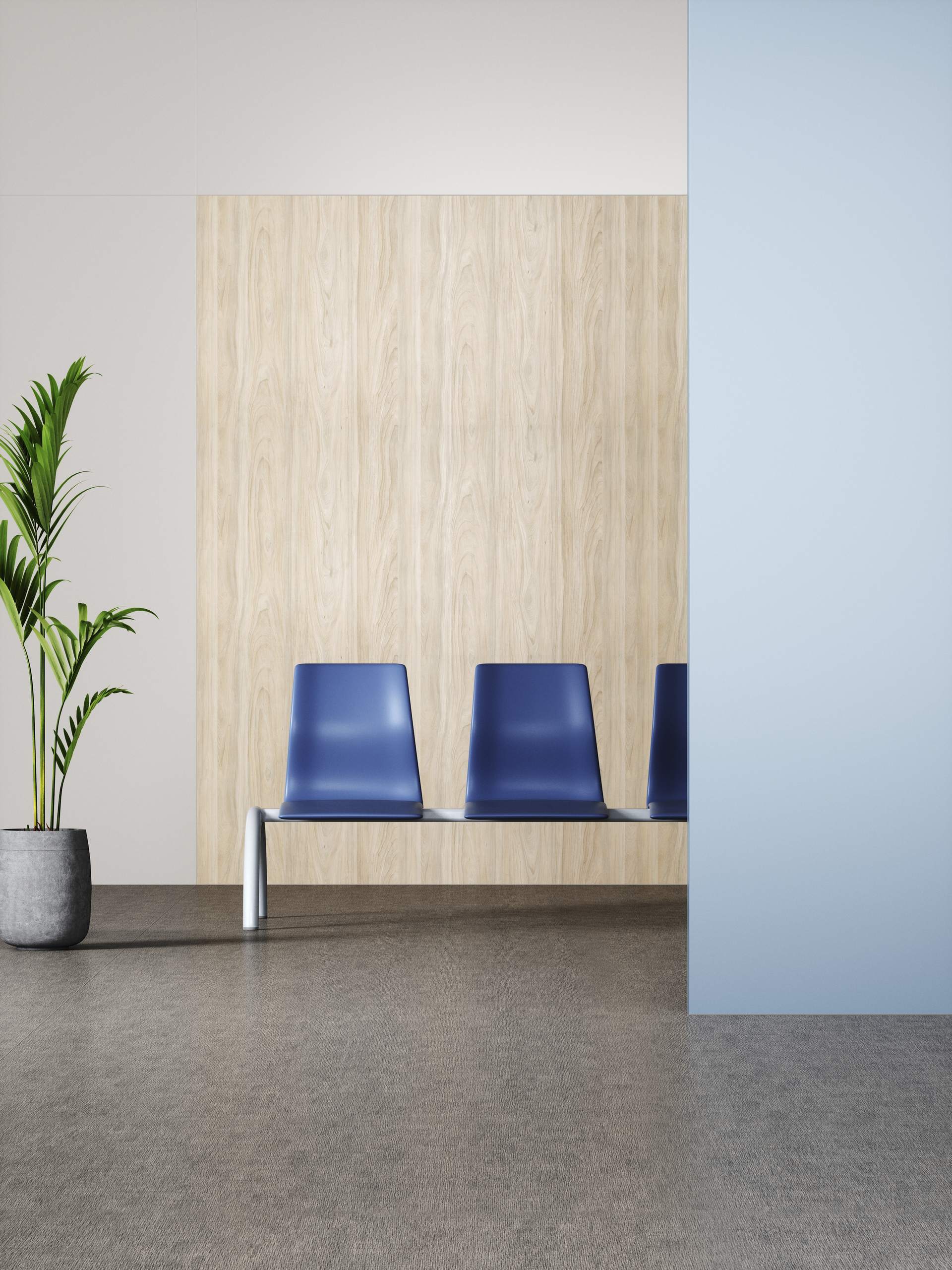
Reception areas and waiting rooms are often the first spaces visitors see. Introducing colour through hygienic wall cladding can help reduce the institutional feel traditionally associated with healthcare buildings.
Mid to high-chroma colours can create a more welcoming and contemporary atmosphere and at the same time maintain the hygiene standards required.
Supporting Patient Wellbeing
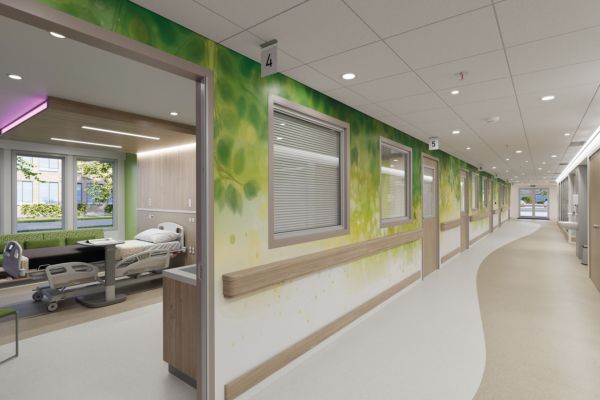
Patient rooms, treatment areas and recovery spaces often benefit from softer, lower-chroma colours that promote calmness and relaxation.
Subtle greens, blues and neutral tones can help create a less stressful environment without compromising hygiene performance.
Enhancing Wayfinding
Large healthcare facilities can be difficult to navigate.
Using different colour schemes and chroma levels across departments or floors can help visitors identify locations more easily. Colour-coded zones can improve orientation and reduce confusion, particularly in hospitals and care environments.
Wall cladding is an excellent way to do this hygienically because the colour is built into the wall finish rather than applied as paint.
Supporting Specialist Environments
Different healthcare departments may require different emotional responses.
For example:
-
Children's areas may benefit from brighter, higher-chroma colours that create a friendly and engaging atmosphere.
-
Mental health settings may favour more muted palettes designed to reduce overstimulation.
-
Staff welfare areas may use colour to promote relaxation and recovery during breaks.
-
Rehabilitation spaces may use energising colours to encourage positivity and motivation.
The Business Case for Using Chroma in Healthcare Environments
Colour selection is often viewed as a design decision, however, it can also deliver tangible benefits for healthcare organisations.
Healthcare facilities are under increasing pressure. They are tasked with improving patient experience, supporting staff wellbeing and creating environments that operate more efficiently. Thoughtful use of chroma can contribute to each of these objectives.
Improving Patient Experience
The physical environment plays a significant role in how patients perceive their care. Spaces that feel welcoming, calm and considered can help reduce anxiety and create a more positive experience from the moment a patient arrives.
Introducing colour through hygienic wall cladding allows healthcare providers to move away from stark, institutional interiors whilst maintaining the highest standards of cleanliness and infection control.
Achieving Design Goals Without Additional Maintenance
Unlike painted surfaces, coloured hygienic wall cladding provides a durable finish that is designed to withstand regular cleaning and demanding operational conditions.
This means organisations can benefit from the positive effects of colour and maintain the practical advantages that make hygienic wall cladding a preferred solution in healthcare environments. The result is an interior that performs well, looks good and continues to support users over the long term.
Ultimately, chroma allows healthcare organisations to achieve more from their interiors. B
The Practical Benefits Remain
Importantly, incorporating colour through hygienic wall cladding does not mean sacrificing performance.
PVC wall cladding and impact-resistant hygienic wall protection systems continue to provide:
-
Smooth, easy-to-clean surfaces
-
Resistance to moisture and bacteria
-
Durability in high-traffic areas
-
Reduced maintenance requirements
-
Long service life
-
Compliance with hygiene standards
Colour simply becomes an additional design tool that enhances the overall environment.
Balancing Hygiene and Design
The most successful hygienic interiors combine functionality with thoughtful design. Chroma allows architects, designers and healthcare providers to create spaces that remain hygienic and practical whilst also supporting the people who use them every day.
Whether creating a calming patient room, a welcoming reception area or a clearly identifiable department within a larger facility, colour can make a meaningful contribution to the effectiveness of the space.
As healthcare design continues to evolve, the use of chroma within hygienic wall cladding projects is helping to prove that environments can be both highly functional and genuinely human-centred.